
Invisible braces, often called clear aligners, can correct many common tooth alignment problems without the look of metal brackets. They use a series of clear, removable trays that apply gentle pressure to guide teeth into better positions over time.
For many adults and teens, the appeal is practical. The trays are hard to notice, they come out for meals, and brushing feels more normal than it can with fixed braces. Still, they are dental appliances, not magic plastic. Their success depends on the type of tooth movement needed, the health of your teeth and gums, and how consistently you wear them.
How Invisible Braces Move Teeth
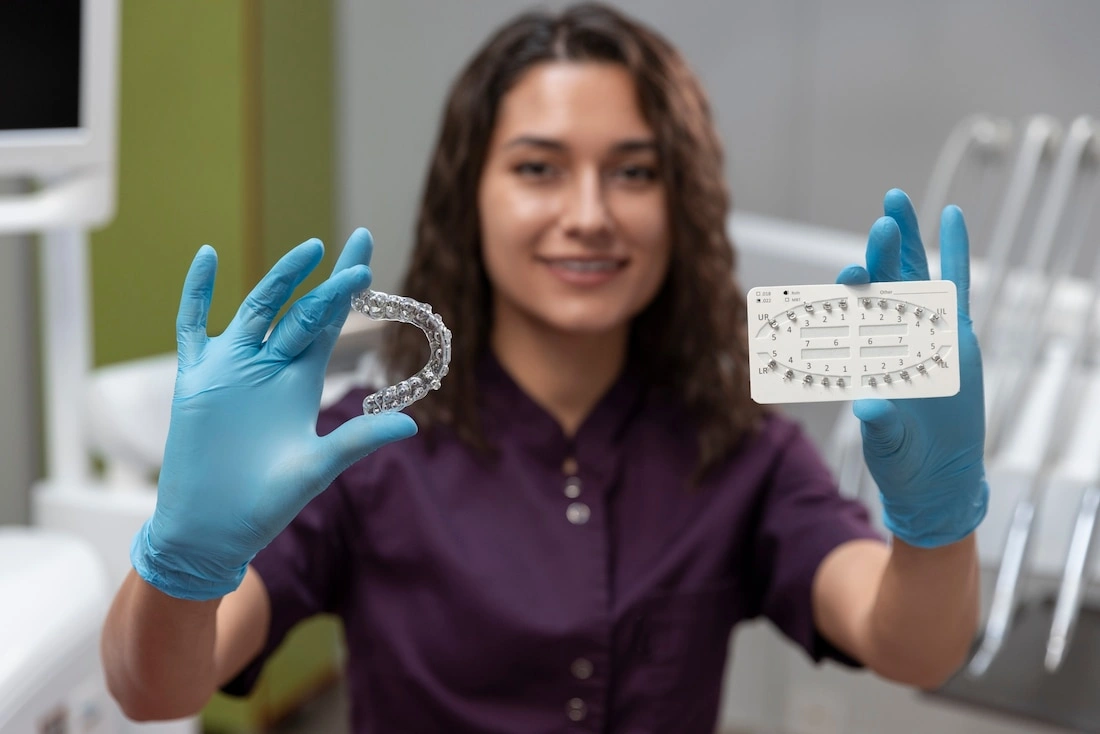
Clear aligners are custom-made to fit your teeth at each stage of treatment. Each tray is shaped slightly differently, so your teeth move bit by bit as you change aligners according to your plan. Most people need to wear them for about 20 to 22 hours a day.
That daily wear time matters. If aligners spend too much time in their case, teeth may not move as planned. The trays also need clean teeth to sit against, so brushing and flossing stay part of the routine.

Can Invisible Braces Fix Crowded Teeth?
Crowding happens when there isn’t enough room for teeth to sit neatly in the jaw. Teeth may overlap, twist, lean forward or sit behind neighbouring teeth. This can make cleaning harder, especially between tight contacts where food and plaque collect.
Clear aligners often work well for mild to moderate crowding. A dentist may create space by slightly widening the arch, moving teeth into better positions, or using careful enamel reshaping between teeth when suitable. In some cases, small tooth-coloured attachments are placed on the teeth to help the aligner grip and guide movement more accurately.
Severe crowding needs a closer look. If teeth are very rotated, blocked out of the arch, or there is a major jaw-size issue, fixed braces or a combined approach may give better control. This is why a proper assessment matters before choosing treatment.
Can They Close Gaps Between Teeth?
Gaps, also called spacing, are another common reason people ask about aligners. Small spaces between front teeth can make a smile look uneven. Larger gaps may affect speech, food trapping or the way the bite comes together.
Invisible braces can close many spacing problems by moving teeth towards each other in planned steps. They are often used for spaces caused by tooth position rather than missing teeth or unusual tooth size. If a gap exists because a tooth is too small, a dentist may suggest bonding, veneers or another cosmetic option after orthodontic movement.
The key question is why the gap exists. Closing a space without fixing the cause can lead to relapse. Retainers are also needed after treatment, because teeth naturally try to drift back.
What About Crooked or Rotated Teeth?
Crooked teeth can mean several things: a front tooth turned sideways, a canine sitting too high, lower teeth leaning in different directions, or an uneven smile line. Invisible braces Sydney treatment can help with many of these concerns when the tooth movement is within a realistic range.
Mild rotations usually respond well. More stubborn rotations, especially rounded teeth such as canines and premolars, may need attachments or extra refinements. Aligners can also improve tilted teeth, but teeth that need large vertical movement may be harder to control with trays alone.
This doesn’t mean aligners are weak. It means each tooth has its own shape, root position and movement limits. Good planning makes all the difference.
Can Invisible Braces Improve Bite Problems?
Some bite concerns can be improved with aligners, including mild overbite, mild underbite, crossbite and open bite cases. Bite treatment is more complex than straightening front teeth because it affects how the upper and lower teeth meet when chewing.
Aligners may be suitable when the bite issue is mainly tooth-related. If the problem comes mostly from jaw position or jaw growth, another treatment may be needed. Adults with major skeletal bite issues may need orthodontic advice, and sometimes surgery is discussed.
A simple rule of thumb: if the concern is mostly about tooth position, aligners may be an option. If the jaw relationship is the main issue, treatment planning becomes more involved.
When Invisible Braces May Not Be the Best Choice
Clear aligners are not ideal for every mouth. They may be less suitable for severe crowding, large gaps caused by missing teeth, advanced gum disease, poor oral hygiene, or cases needing complex root movement. They also rely on patient discipline. Removable treatment gives freedom, but that freedom comes with responsibility.
People who snack all day, often misplace things, or know they will forget to wear trays may do better with fixed braces. That’s not a failure; it’s matching the tool to the person.
What Happens Before Treatment Starts?
A dentist will usually check your teeth, gums, bite and dental history first. Scans, photos or X-rays may be used to map the tooth movements. This stage helps identify decay, gum issues, worn teeth, impacted teeth or restorations that could affect treatment.
Cost also varies with case complexity. If you are comparing options, reviewing invisible braces cost in Sydney can help you understand what may influence the final fee, including treatment length, aligner numbers and follow-up appointments.
Invisible Braces or Metal Braces?
Both options can straighten teeth. Aligners suit people who want a discreet, removable option and have a case that fits aligner treatment well. Metal braces can be better for complex movement, severe crowding or patients who prefer a fixed appliance. This invisible braces vs metal braces comparison can help if you are weighing both paths.
The Bottom Line
Invisible braces can fix crowded teeth, gaps and many crooked teeth, particularly when the case is mild to moderate and the aligners are worn as directed. They can also improve some bite concerns, though more complex problems need careful assessment.
The best answer comes after a dental examination, not guesswork. With the right plan, clear aligners can make teeth easier to clean, improve smile balance, and help your bite feel more settled.