Quick answer: Clip-in implants (also called snap-in or implant-retained overdentures) need their plastic clip inserts replaced roughly every 12–18 months, on top of the upfront surgery cost. Most Sydney and Melbourne patients aren’t told this at the consultation stage, and it can add several hundred dollars a year to the “final” price they were quoted.
What are Clip-In Implants, Exactly?
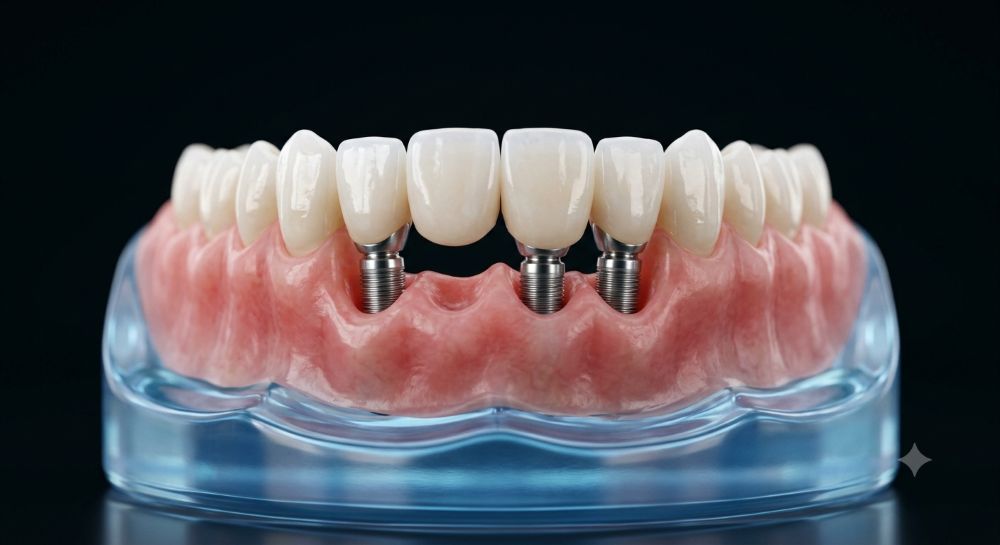
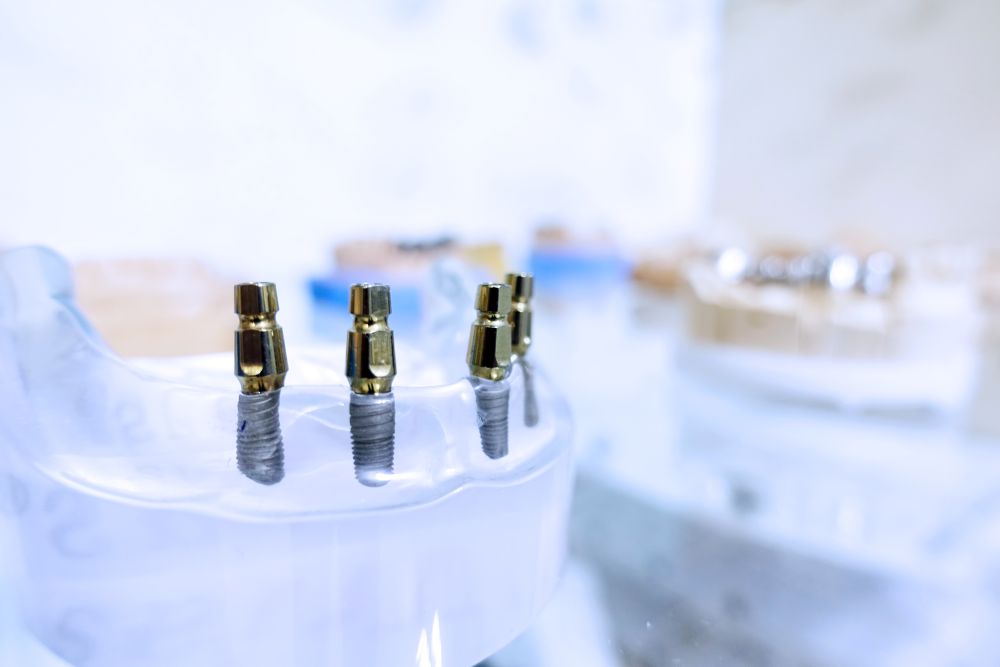
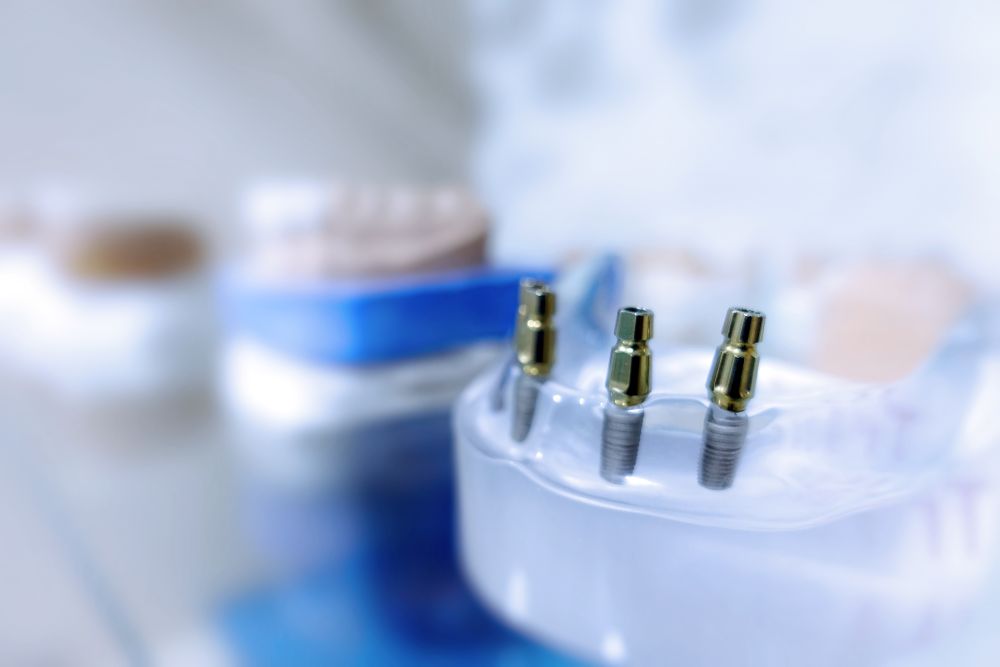
Clip-in implants are a type of implant-retained denture. Instead of being permanently screwed into the jaw like fixed implants, the denture “snaps” onto 2–4 implants using small plastic or metal attachments…usually locator clips, O-rings, or a bar-and-clip system. You remove the denture each night for cleaning, and the clips do the job of holding it firmly in place during the day.
They sit in the middle ground between a traditional removable denture and a fully fixed solution like All-Teeth-on-4.
The Bill Nobody Mentions
The implants themselves can last decades. The clips can’t. They’re a wear component (like brake pads) and they’re designed to loosen with normal chewing and removal. A published review of overdenture maintenance found that loosening of the retentive clip was the single most common complication reported in long-term studies, ahead of relining or implant loss.
Here’s what that looks like over a 10-year span:
| Maintenance item | Typical frequency | Approx. cost (AUD) |
| Clip / O-ring replacement | Every 12–18 months | $150–$400 per visit |
| Reline of the denture base | Every 3–5 years | $400–$900 |
| Attachment housing replacement | Every 5–7 years | $300–$700 |
| Full denture remake | 10–15 years | Comparable to original lab fee |
None of this means clip-in implants are a bad choice. For many patients they’re the most affordable route to a stable bite. But “affordable” should mean the total cost over time, not just the number on day one. Get the full picture of dental Implants costs & financing right here.
| Comparison Point | Clip-In Implants / Snap-In Dentures | Fixed Implant Teeth |
| Best suited for | Patients who want better denture stability but prefer a removable, lower-entry-cost option | Patients who want teeth that stay fixed in place and feel closer to natural teeth |
| Removable or fixed? | Removable. The denture clips in and out daily for cleaning | Fixed. The teeth are attached to implants and are not removed at home |
| Upfront cost | Often lower than fixed full-arch implant teeth | Usually higher upfront because the prosthetic design is more complex |
| Hidden maintenance costs | Replacement clips or inserts, relines, repairs, worn denture teeth, attachment adjustments | Professional implant maintenance, bridge checks, hygiene visits, possible prosthetic repairs |
| Common reason for follow-up visits | Loose denture fit, worn inserts, sore spots, relines or denture repairs | Cleaning access, bite adjustment, gum health checks, prosthetic maintenance |
| Cleaning routine | Denture must be removed and cleaned daily; implants and attachments also need cleaning | Cleaned in the mouth using implant-safe tools, with regular professional maintenance |
| Comfort over time | Can become loose as clips wear or the denture base changes fit | Usually more stable, but still requires gum and implant health monitoring |
| Risk if maintenance is ignored | Looseness, sore gums, bad breath, damaged attachments, poor implant hygiene | Gum inflammation, plaque build-up around implants, peri-implant complications |
| Lifestyle consideration for Sydney/Melbourne patients | May suit patients wanting a more affordable alternative to loose dentures, but repeat visits may be needed | May suit patients wanting fewer removable-denture issues and a more fixed day-to-day feel |
| Long-term cost question to ask | “How often will I need clips, inserts, relines or denture repairs?” | “What professional maintenance and prosthetic checks will I need each year?” |
| Lead-intent keyword fit | “clip-in implant maintenance cost near me”, “snap-in denture repair cost Sydney”, “implant denture reline cost” | “fixed dental implants Sydney cost”, “full arch dental implants maintenance”, “All-on-4 alternative Sydney” |
| Main takeaway | Often cheaper upfront, but maintenance parts and denture-related costs can add up | Higher upfront cost, but may reduce some removable denture maintenance concerns |
Questions Sydney & Melbourne Patients Actually Ask
How do I know if my clip-in implant clips need replacing?
The most common sign is a looser fit than usual, a clicking sound when chewing, or the denture rocking slightly when you talk. This is normal wear, not a failure of the implant itself.
Can I replace the clips myself to save money?
No. The clips are dentist-fitted and need precise seating to avoid uneven pressure on the implants. DIY adjustment risks damaging the attachment housing, which is a more expensive repair than the clip itself.
Is the maintenance cost the same for upper and lower clip-in dentures?
Generally no. Upper arches usually need more implants and slightly more frequent attachment checks due to denser chewing forces and a larger denture base.
Does private health insurance cover clip replacements?
Coverage varies by fund and policy tier. It’s worth checking your extras cover specifically for “denture repairs” or “implant maintenance,” as these are sometimes itemised separately from the implant surgery itself.
The Bottom Line
Clip-in implants remain one of the more cost-effective ways to stabilise a denture, but only if you budget for the maintenance, not just the surgery. Ask any dental implants clinic in Sydney for a 10-year cost estimate, not just a quote for the procedure day.
For a clear breakdown of what your specific case would involve, book a consultation today.
About Author:
Dr Paulo Pinho is a Sydney and Melbourne dental surgeon whose practice focuses on oral surgery, wisdom teeth removal, and digital dental implants. He has worked in hospital trauma centres overseas and at the Royal Dental Hospital in Melbourne, and his clinic reports that he has placed over 2,500 dental implants over the past 15 years.
Any surgical or invasive procedure carries risks. Always seek advice from a qualified dental practitioner before proceeding.