Adults in Melbourne and Sydney are choosing orthodontic treatment in growing numbers, and the old idea that braces are only for teenagers no longer holds up. The real question is not whether adults can straighten their teeth, but which option suits them best.
For many people, invisible braces, also known as clear aligners, are the more appealing choice because they are discreet and removable. Metal braces still have clear strengths, especially in more complex cases and for patients who do not want the pressure of remembering to wear aligners for most of the day.
At a glance
- Best for appearance: Invisible braces
- Best for more involved tooth movement: Metal braces
- Best for easier brushing and flossing: Invisible braces
- Best for patients who prefer a fixed appliance: Metal braces
- Best for adults in office-facing roles: Invisible braces
Why adults choose invisible braces
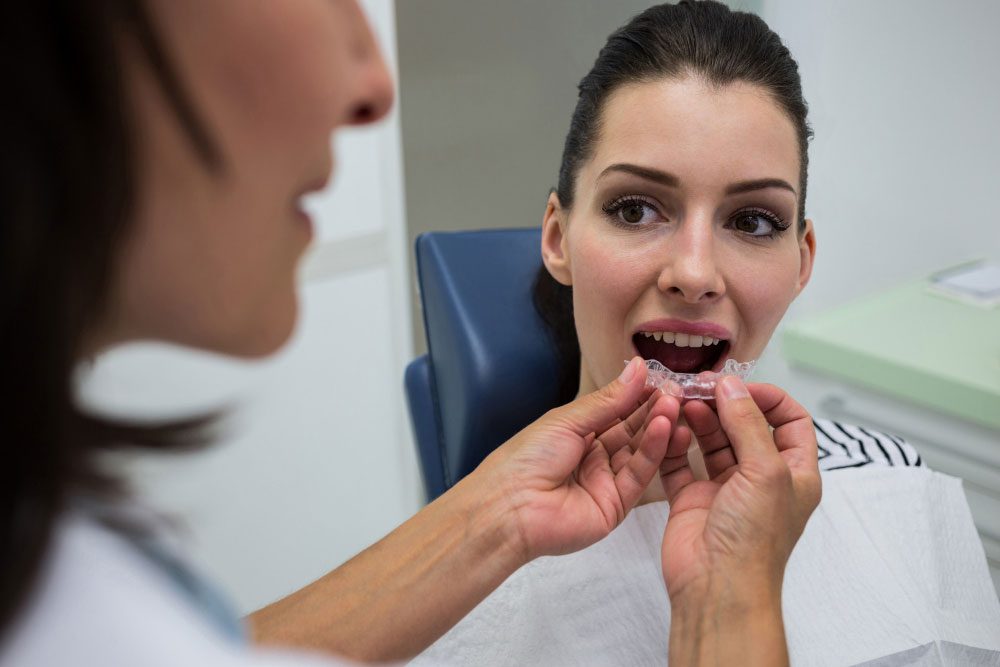
The strongest draw is appearance. Invisible braces are hard to notice at a glance, which matters to adults who spend their day in meetings, dealing with clients, or simply prefer a less visible treatment.
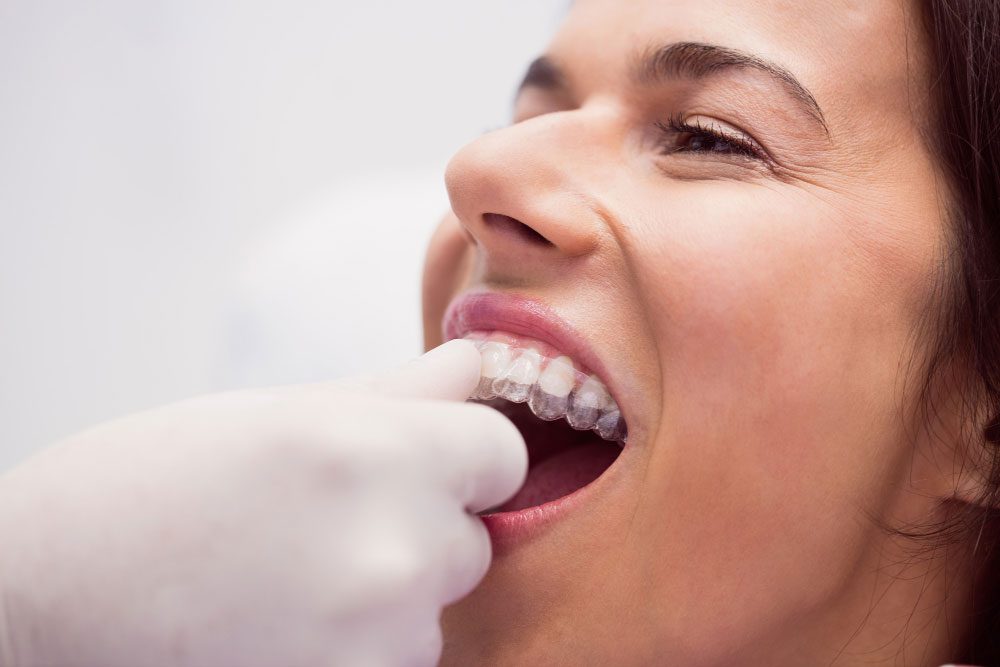
They can also be removed for meals and cleaning, which makes daily life feel less restricted than it can with fixed brackets and wires.
The Australian Society of Orthodontists notes that aligners broaden treatment options, particularly for adults who are conscious of how treatment looks. People want treatment that fits around work and ordinary life.
Invisible braces vs Metal braces: Key differences
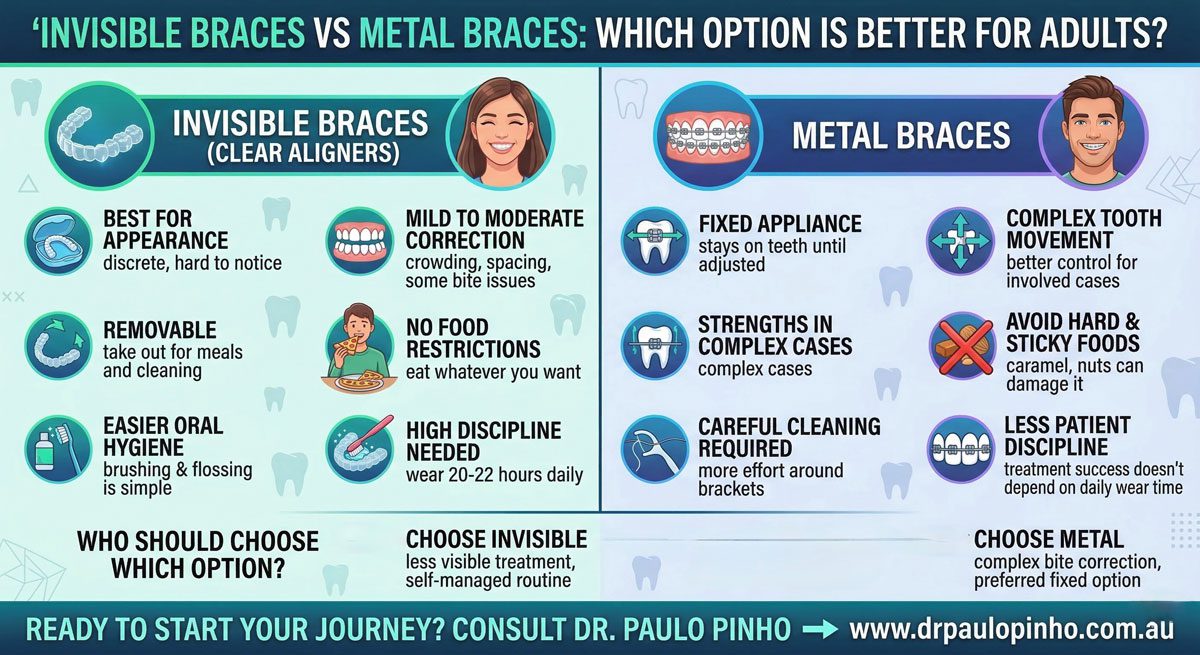
The main differences are easy to grasp when they are set out plainly:
- Appearance: Clear aligners are less noticeable than metal braces.
- Comfort: Aligners are made from smooth plastic, so they often cause less irritation to the cheeks and lips than brackets and wires.
- Removability: Aligners come out for eating and cleaning; metal braces stay in place until adjusted by the orthodontist.
- Oral hygiene: Removable aligners can make brushing and flossing easier, while fixed braces need more careful cleaning around brackets and wires.
- Food restrictions: Metal braces usually come with more limits because hard or sticky foods can damage the appliance. Aligners are removed before meals.
- Discipline: Aligners only work well when worn as directed, typically 20 to 22 hours a day. Metal braces do not depend on that level of self-management.
Which option is more effective for adults?
For mild to moderate crowding, spacing, and some bite issues, clear aligners can be very effective. Invisible braces are not just a cosmetic add-on, because they can treat a wide range of orthodontic problems.
Even so, metal braces may be the better option when tooth movement is more complicated, when tighter control is needed, or when treatment has to be less dependent on patient compliance.
So, which one is better? In simple terms:
- Invisible braces often suit adults with straightforward to moderate correction needs and a strong preference for a discreet look.
- Metal braces often suit adults with more demanding clinical needs or those who would rather not manage wear time themselves.
Who should choose which option?
Choose invisible braces if you:
- want a less visible treatment
- are likely to wear aligners for 20 to 22 hours a day
- value easier brushing and flossing
- have a case that your orthodontist considers suitable for aligners
Choose metal braces if you:
- need more complex tooth or bite correction
- prefer a fixed option that stays on the teeth
- do not want treatment success to depend on daily wear discipline
Invisible Braces vs Metal Braces: Quick Comparison
| Feature | Invisible Braces | Metal Braces |
|---|---|---|
| Appearance | Clear and discreet, making them a popular choice for adults | Highly visible on the teeth |
| Comfort | Smooth plastic trays may feel gentler on cheeks and gums | Brackets and wires can cause irritation, especially after adjustments |
| Removability | Can be removed for eating, drinking, brushing, and flossing | Fixed to the teeth and cannot be removed at home |
| Oral Hygiene | Easier to maintain because trays are taken out before brushing and flossing | Cleaning around brackets and wires takes more time and care |
| Food Restrictions | Very few, since aligners are removed during meals | Sticky, hard, and chewy foods are often restricted |
| Discipline Required | High, as they must be worn for most of the day to work properly | Lower, because they stay on the teeth throughout treatment |
| Suitability for Complex Cases | Often suitable for mild to moderate alignment issues | Often better for complex tooth movement and bite correction |
| Treatment Visibility at Work | Well suited to professional and social settings | Less discreet in meetings and public-facing roles |
| Appointments | Usually involves periodic tray changes and review visits | Requires wire adjustments and regular orthodontic visits |
| Cost | May be higher in some cases, depending on treatment needs | May be more cost-effective in some cases, depending on complexity |
| Best Suited To | Adults who want a discreet and flexible treatment option | Adults who need stronger control or prefer a fixed appliance |
Book a consultation with Dr Paulo Pinho to find out whether invisible braces or metal braces are the right fit for your teeth, lifestyle, and treatment goals. For personalised orthodontic care in Sydney, get in touch with our team and take the first step towards a straighter, healthier smile.
Frequently Asked Questions:
1. Are clear aligners faster than metal braces for correcting adult teeth?
Not always. Clear aligners can be efficient for mild to moderate cases, but metal braces may move teeth more predictably in complex cases. Treatment speed depends more on the bite problem, tooth movement needed, and how consistently aligners are worn. Aligners usually need to be worn for 20 to 22 hours a day to stay on schedule.
2. Can invisible braces fix severely crooked teeth in adults?
Sometimes, but not in every case. Clear aligners can treat crowding, crooked teeth, and several bite issues, though severe or more complicated cases may still be better suited to fixed metal braces.
3. What are the pros and cons of invisible braces vs metal braces for older patients?
Invisible braces are discreet, removable, and easier for brushing and flossing. Their downside is that they rely on daily discipline. Metal braces are more visible and harder to clean around, but they stay in place and can offer stronger control for difficult tooth movement.
4. How long do adults typically need to wear invisible braces for?
It varies by case, though many adult orthodontic treatments run from about 12 to 36 months overall.
5. Are invisible braces more comfortable than traditional metal braces?
For many adults, yes. Smooth plastic trays tend to irritate cheeks and lips less than brackets and wires.