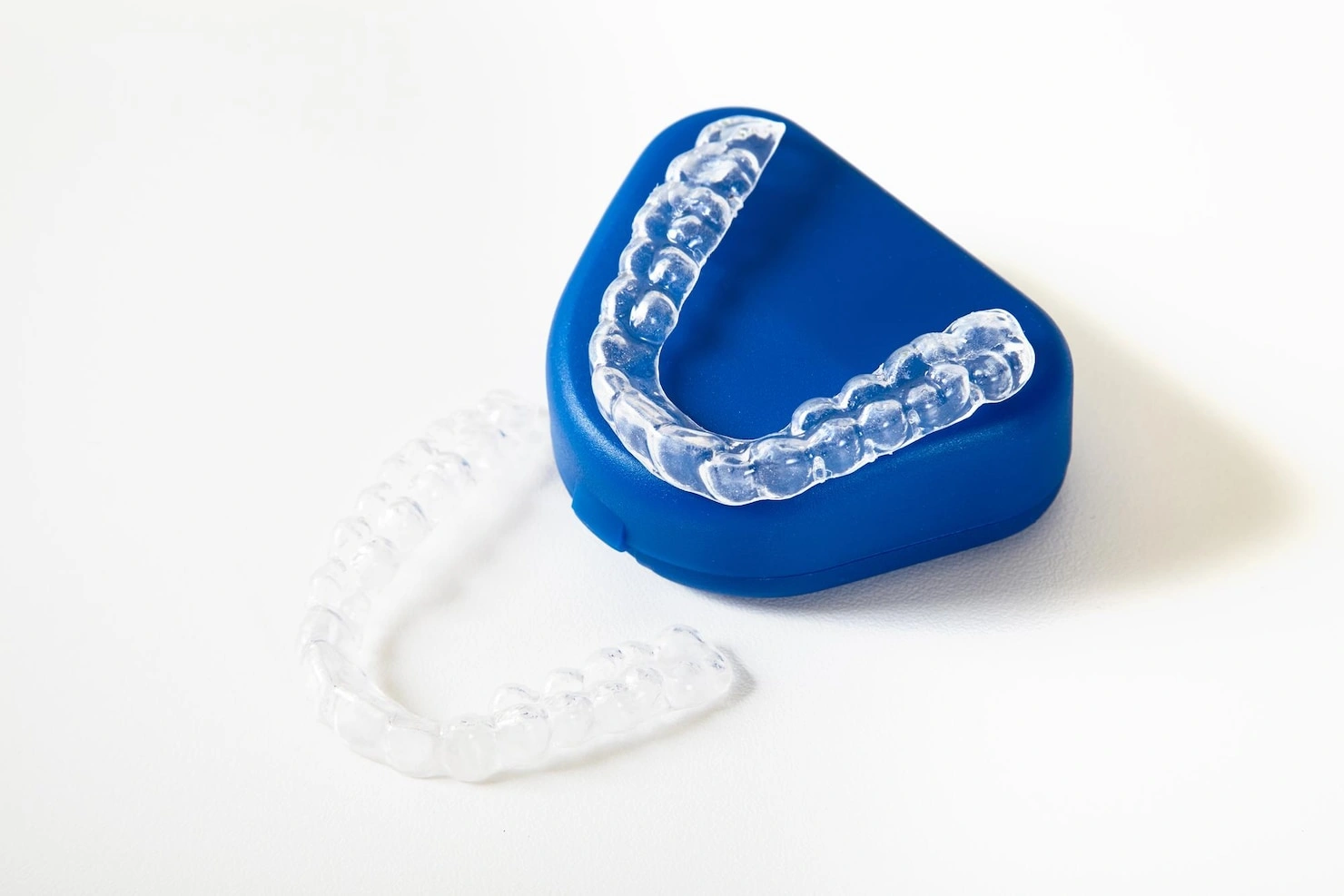
Most people considering invisible braces want a straight answer first: how long will it take? For many mild to moderate cases, aligner treatment takes about 6 to 18 months, although minor tooth movement may finish sooner and complex bite concerns may take longer. Research note that results depend heavily on case selection and patient compliance, especially daily wear time.
What are invisible braces?
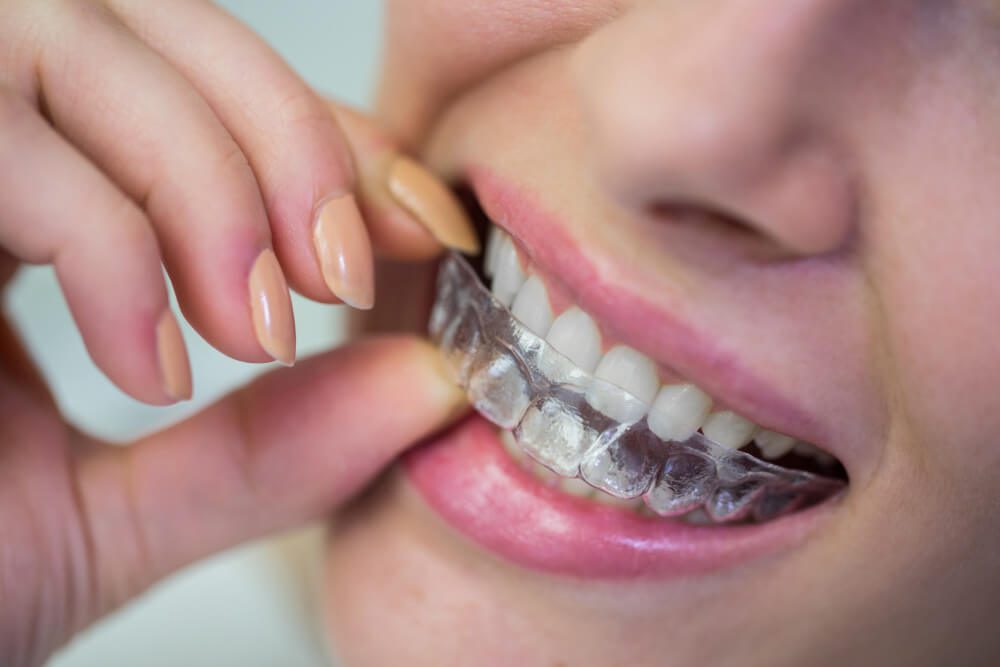
They are removable, transparent trays made to guide teeth into better positions in planned stages. A patient usually receives a series of aligners, with each tray applying gentle pressure to selected teeth. Unlike fixed braces, aligners can be removed for meals, brushing and flossing.
They suit many adults and older teens who want a discreet option, but not every orthodontic concern. A dental assessment checks tooth position, gum health and bite relationship. The Australian Dental Association notes that teeth straightening options include braces and clear aligners, and that suitability should be assessed by a dentist or orthodontist.
Typical treatment time
Treatment length varies because no two mouths start in the same place. As a guide:
| Case type | Common timeframe |
|---|---|
| Minor spacing or relapse after braces | 3 to 6 months |
| Mild crowding | 6 to 9 months |
| Moderate crowding or spacing | 9 to 18 months |
| Complex bite correction | 18 months or longer |
Teeth move through bone at a biological pace, so a careful plan matters more than a rushed result.
What affects how long treatment takes?
Several factors shape the timeline:
- The starting position of the teeth: Small gaps usually close faster than rotated teeth or deep crowding.
- Bite issues: Overbites, crossbites and open bites may need more stages than simple front-tooth straightening.
- Daily wear: Many systems rely on near full-time wear, often around 20 to 22 hours per day.
- Tray changes: Switching too early can mean teeth have not fully tracked.
- Refinements: Extra trays may be needed near the end to tidy up small movements.
- Oral health: Gum disease, decay or poor hygiene can pause treatment until the mouth is stable.
Proper adherence to these guidelines often results in a shorter, more predictable treatment timeline. For further insights into the benefits of clear aligners, you can also refer to the blog Invisible Braces Sydney: A Clear Way to Straighten Your Teeth.
When will you see results?
Some patients notice small changes within the first few weeks. For others, early movement occurs at the back of the mouth, so visible change may take two or three months. Progress photos can help.
A better question is whether the teeth are tracking as planned. Tracking means each aligner fits snugly and the teeth are following the digital plan.

Are aligners faster than braces?
Aligners can be faster for selected cosmetic cases, particularly mild spacing, minor crowding or relapse after previous orthodontic work. Fixed braces may be more reliable for complex rotations, large bite corrections or cases needing detailed root control.
Speed should not be the only measure. A short plan that does not fix the bite properly may lead to relapse, uneven tooth wear or extra treatment later. The right option is the one that suits the condition of the teeth, not just the calendar.
How to keep your treatment on track
Helpful habits include:
- Wear trays for the hours recommended by your provider.
- Remove them only for eating, drinking anything other than water, and cleaning.
- Seat each tray properly, especially after meals.
- Keep clear aligners in their case, not wrapped in a napkin.
- Brush and floss well so gum problems do not interrupt treatment.
- Attend review appointments, even when everything seems fine.
- Contact the clinic promptly if a tray cracks, feels loose or is lost.
A local review with a dentist in Sydney can also help identify practical issues, such as aligners not fitting well around attachments or teeth moving more slowly than expected.
Frequently Asked Questions:
How long does a simple aligner case take?
A simple case may take about three to six months. This usually applies to small gaps, mild crowding or teeth that have shifted after previous orthodontic treatment. The estimate still depends on healthy gums, accurate planning and steady daily wear.
Can aligners work in only three months?
Yes, but only for limited corrections. Three months is more realistic when the teeth need very small movements. Most people should expect a longer plan, particularly if several teeth or the bite need correction.
What happens if I do not wear them enough?
The teeth may stop tracking with the trays. That can make the next aligner feel tight or poorly seated. Missed wear time often leads to delays, extra appointments or refinement trays.
Are aligners painful?
They usually cause pressure rather than sharp pain. The first day or two after changing trays can feel tight. This should settle. Ongoing pain, rubbing or a poor fit should be checked.
Will I need retainers afterwards?
Yes. Retainers help hold the teeth in their new positions after treatment. Without them, teeth can drift back over time. Your provider will advise when and how often to wear them.
Final thoughts
Aligner treatment often takes 6 to 18 months, but the true timeline depends on the complexity of the case and how well the trays are worn. Mild cases may move quickly; bite issues need more patience. The best starting point is a proper dental assessment, a realistic plan and clear instructions you can follow day to day.