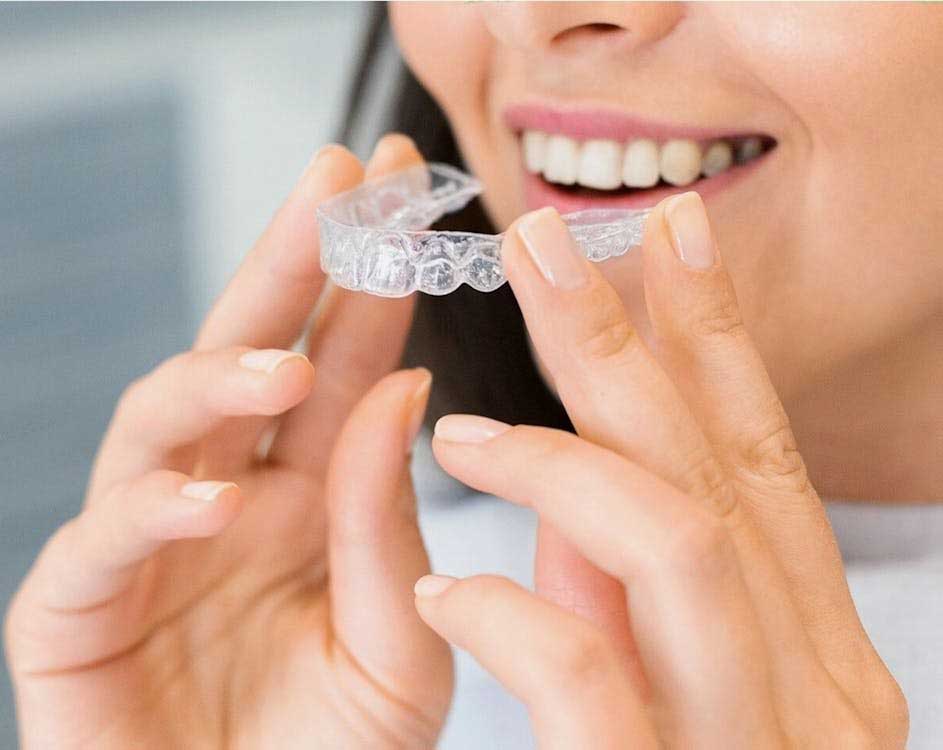
If you want straighter teeth without the look of metal braces, invisible braces can be a practical and discreet option. Many adults and older teens in Sydney want to improve alignment, close gaps, or reduce crowding, but feel unsure about wearing traditional braces in daily life. Clear aligners offer a different approach. They are custom-made, removable, and designed to guide tooth movement in small, controlled stages. They are clear rather than completely invisible, but they are far less noticeable than brackets and wires.
At Dr Paulo Pinho, invisible braces are often chosen by patients who want treatment that feels lower profile, easier to manage, and better suited to work, study, and social life. Because the trays can be removed for meals and cleaning, they fit more naturally into everyday routines than fixed braces do for many people. The right plan also needs to suit your teeth, your bite, your oral health, and your expectations, which is why a proper consultation matters.
Invisible braces are not a quick cosmetic fix. They are a structured form of teeth straightening that depends on planning, consistency, and follow-up. For the right patient, they can be a very effective way to improve tooth position while keeping treatment as discreet as possible.
What are invisible braces?
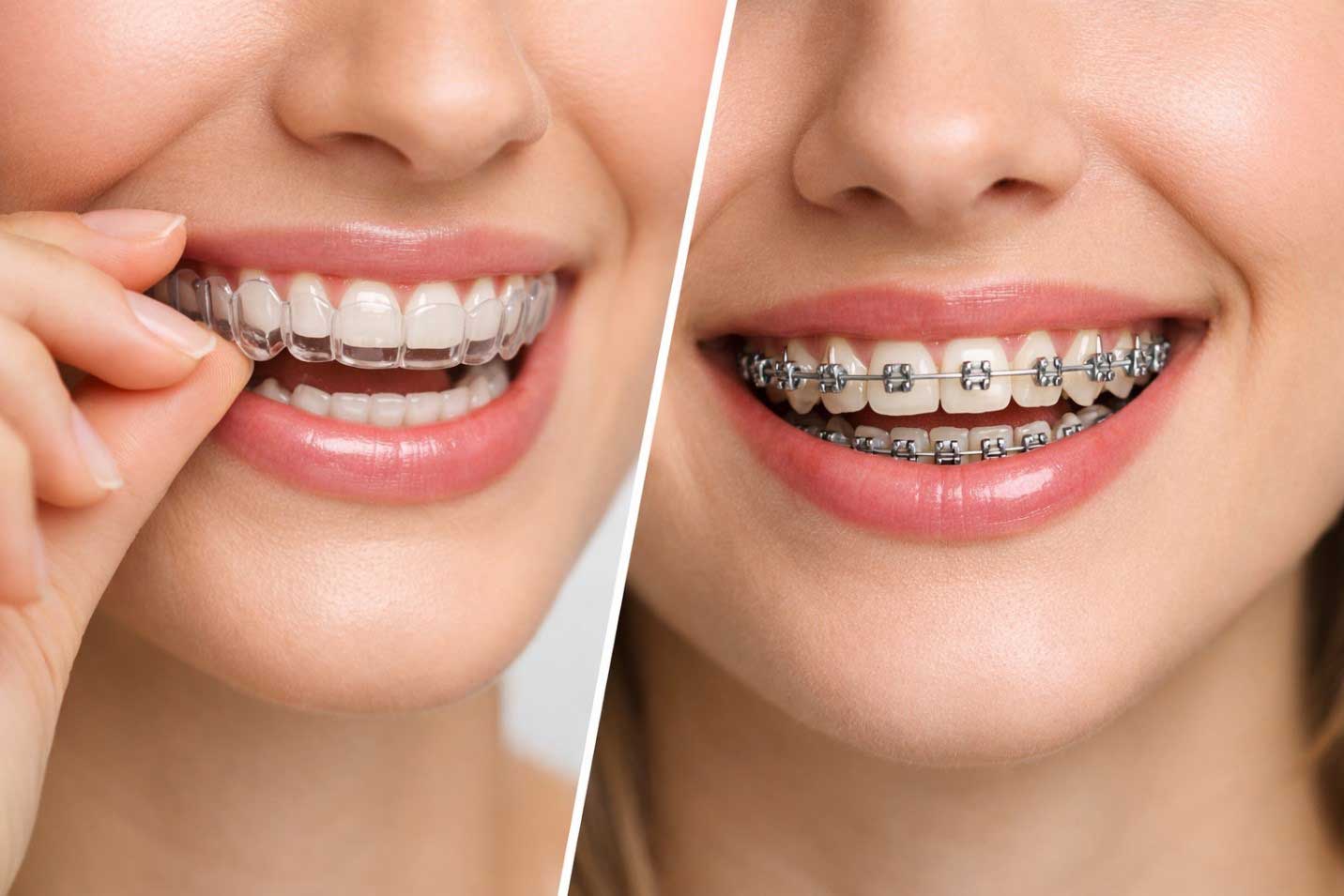
Invisible braces are a series of clear aligners made specifically for your teeth. Each aligner is shaped a little differently from the one before it, allowing your teeth to move in stages rather than all at once. The trays fit closely over the teeth and apply gentle pressure to selected areas, which helps guide movement over time.
One of the biggest advantages is that they are removable. You take them out when eating, drinking anything other than water, brushing, and flossing. That makes them appealing to patients who want straighter teeth without fixed brackets and wires across the smile. It also makes oral hygiene more straightforward for many people because you can clean your teeth normally.
This removable design is a major reason adults often prefer invisible braces. Some have wanted straighter teeth for years but have put treatment off because they did not want metal braces to be visible at work or in social settings. Others had braces earlier in life, did not keep up with retention, and now want a more discreet way to correct minor relapse.
The convenience comes with responsibility. Fixed braces continue working because they stay in place. Invisible braces depend more heavily on the patient. If the trays are left out too often, progress slows, fit can be affected, and treatment becomes less predictable.
How invisible braces work
Treatment starts with a consultation and assessment. At this stage, we examine your teeth, review your bite, and discuss the changes you would like to make. Scans, impressions, x-rays, or photographs may also be taken so we can understand the current position of your teeth and determine whether invisible braces are likely to suit your case.
Once the case has been assessed and treatment is appropriate, a series of aligners is made to match the planned tooth movements. You wear each set for a set period, then move on to the next one. Aligners are generally changed every two weeks, while review visits are usually spaced further apart. Treatment often takes six to twelve months, although full results can take six to eighteen months depending on the case. Aligners should usually be worn for 20 to 22 hours a day.
This step-by-step approach is what makes aligner treatment effective. Teeth do not move instantly. They respond gradually to controlled pressure. Each aligner continues the movement started by the previous one, and the sequence only works well when the trays are worn as instructed.
For most patients, once the first adjustment period passes, wearing invisible braces becomes part of normal routine. You take them out for meals, clean your teeth, place them back in, and continue with the day.
Why choose invisible braces
The first reason is appearance. Clear aligners are much less noticeable than metal braces. If you spend a lot of time speaking with clients, working in an office, attending meetings, studying, or being photographed, a treatment option that draws less attention can feel far more comfortable.
The second reason is convenience. Because the trays are removed for meals, you do not need to work around brackets and wires when eating. That makes everyday life simpler and avoids many of the food frustrations people associate with fixed braces.
The third reason is cleaning. You can brush and floss your teeth normally because the aligners come out. For many people, that alone makes treatment feel much easier to manage over several months.
The fourth reason is lifestyle. Invisible braces suit people who want treatment to fit around ordinary routines rather than dominate them. That said, their success depends on commitment. The more closely you follow the plan, the better the process usually goes.
Who invisible braces may suit
Invisible braces can suit many mild to moderate alignment concerns. They are commonly used for crowding, spacing, minor relapse after previous braces, and cases where teeth have shifted over time. They can also suit people who want a more discreet option than traditional braces and are prepared to follow the treatment plan closely.
In practical terms, invisible braces may be a good option if:
- your teeth are mildly or moderately crowded
- you have gaps you would like to close
- your teeth have moved after earlier treatment
- you want a lower-profile way to straighten your smile
- you are willing to wear your aligners consistently
Suitability is not only about how the teeth look. It is also about the kind of movement required, the condition of the gums and supporting tissues, and the patient’s ability to stick to the routine. A careful assessment tells us whether invisible braces are likely to deliver a good result, how long treatment may take, and what you need to do to keep the process on track.
When invisible braces may not be the best option
Invisible braces are not right for every case. Some people need more complex movement, stronger bite correction, or a different treatment method to achieve the best result.
That is not a flaw in aligners. It is simply part of choosing the right treatment for the right case. Good dentistry is not about fitting every patient into the same system. It is about matching the treatment to the clinical need.
This also matters when comparing low-cost options. A cheaper headline price can sound appealing, but what matters is whether the treatment includes proper planning, review appointments, and individual guidance. Low-cost treatment without enough oversight can be less predictable and more frustrating than patients expect. Very cheap options can sometimes come with fewer check-ups or less personalised care.
Invisible braces compared with metal braces
Both invisible braces and metal braces are designed to straighten teeth, but they do so in different ways and suit different lifestyles.
Metal braces are fixed to the teeth, which means they are always active. They are often a reliable choice when stronger or more complex movement is needed, and they do not rely on the patient remembering to put them back in after meals.
Invisible braces offer different advantages. They are removable, more discreet, and often easier to manage when it comes to meals and daily oral hygiene. For adults who feel self-conscious about fixed braces, those benefits can make a very real difference.
The trade-off is compliance. Metal braces continue working because they stay attached to the teeth. Invisible braces depend much more on daily routine. If you wear them properly, they can work very well. If you do not, treatment can slow down or go off track.
This is why the better option is the one that suits both the clinical requirements and the person wearing it.
What to expect at your first consultation
The first consultation is where general interest becomes a real treatment conversation. We assess your teeth, examine your bite, discuss your goals, and decide whether invisible braces are likely to be the right option. This is also the time to ask practical questions about timing, cost, expected results, and how the treatment fits into your daily life.
We offer a free initial consultation for invisible braces. At this appointment, you can find out whether your case appears suitable, what sort of movement may be needed, and what the likely fee range will be.
A useful consultation should leave you with clear answers to questions such as:
- Are invisible braces likely to suit my teeth?
- How long could treatment take?
- What is included in the quoted fee?
- How often will I need follow-up visits?
- Will I need retainers afterwards?
- What kind of result is realistic for my case?
How long treatment usually takes
Treatment time varies from person to person. Some patients notice early changes within weeks, while full treatment takes longer and depends on the amount of movement required. In many cases, treatment takes six to twelve months, while full results can take six to eighteen months depending on the severity of misalignment.
Several factors affect timing:
- how crowded or spaced the teeth are
- whether bite correction is needed
- how consistently the aligners are worn
- whether trays are lost or delayed
- how the teeth respond during treatment
The most important point is that predictable progress matters more than speed alone. Teeth need time to move in a controlled way.
Cost of invisible braces in Sydney
Cost is one of the first things many patients ask about. Teeth straightening is a planned investment, and most people want a realistic idea of the likely fee before they decide whether to move forward.
Invisible braces start from $1,650 including both arches, with a maximum listed fee of $4,850 depending on the case. That range reflects the fact that not every patient needs the same amount of correction. Smaller cases may need fewer aligners and a shorter treatment period, while more involved cases may require more trays and more review. Some health funds may also contribute depending on the level of cover.
When comparing fees, it is worth looking beyond the starting number. A lower advertised figure does not always tell you what is included. During consultation, it helps to ask about aligners, review appointments, refinements, and retention so you understand the overall picture rather than only the opening price.
Living with invisible braces every day
Clear aligners fit well into everyday life, but good habits matter.
Eating and drinking
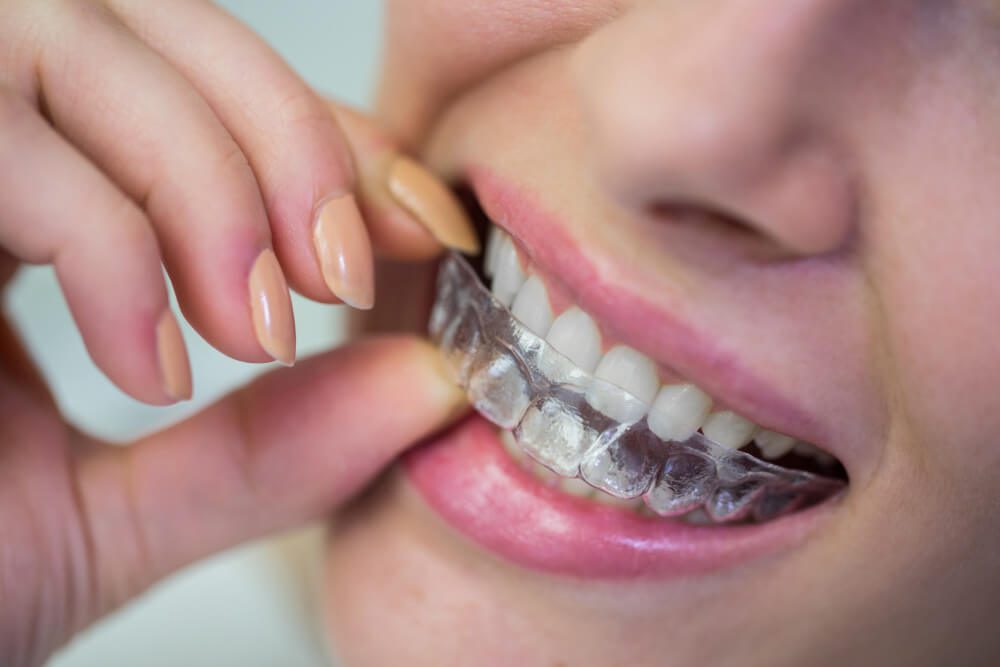
Aligners should be removed before meals and before drinking anything other than water. This helps avoid staining, damage, and unnecessary wear. Hot drinks can warp the trays, and eating with them in place can cause problems.
Brushing and flossing
Because the trays come out, you can brush and floss normally. That is one of the biggest practical advantages of aligners. It also means you need to stay on top of oral hygiene before putting them back in.
Cleaning the trays
The aligners themselves need regular cleaning so they stay clear, fresh, and comfortable to wear. Staining can happen over time from food, drinks, smoking, or poor hygiene.
Wear time
This is one of the biggest factors in treatment success. The aligners generally need to be worn for 20 to 22 hours a day. Meals and cleaning are expected breaks. Leaving them out for long stretches is what affects results.
Follow-up visits
Even though the trays are removable, treatment still needs review. Follow-up appointments help confirm that the teeth are moving as planned and that the next stage of treatment is appropriate.
Results and retention
Finishing the last aligner is an important milestone, but it is not the end of the process. Once teeth have moved into a new position, they can still drift if that result is not maintained.
That is why retainers matter. Retainers are used to help keep teeth in position after braces or aligner treatment, and teeth can move again if retainers are not worn as advised.
Patients who understand retention from the beginning usually find the whole process easier to manage.
Why choose Dr Paulo Pinho for invisible braces in Sydney?
Choosing a provider is about more than finding a clinic that offers clear aligners. It is about choosing a team that explains your options clearly, gives you a realistic idea of what to expect, and makes the process easy to understand from the start.
At Dr Paulo Pinho, we offer invisible braces with a free initial consultation, a clear published price range, and a straightforward assessment of whether the treatment is likely to suit your teeth. We also offer no waiting time for appointments, post-operative follow-up across treatments, and a Sydney CBD location at 9 York Street.
Start your invisible braces journey in Sydney
If you have been putting off teeth straightening because you do not want metal braces, invisible braces may be the right place to start. They can suit many patients with crowding, spacing, minor relapse, or other alignment concerns, and they offer a lower-profile treatment path that fits naturally into everyday life.
The best way to know whether they are right for you is through a proper consultation. We can assess your teeth, explain your options, and give you a clear idea of what treatment could involve.
Book your free initial consultation with Dr Paulo Pinho in Sydney and find out whether invisible braces are the right fit for your smile.